

Retail Merchandising Units (RMUs) have long been a cornerstone of specialty leasing, offering shopping centers a flexible way to activate common areas, test new concepts, and boost revenue. But in 2025, the role of RMUs is changing. Consumer expectations, brand needs, and mall environments have evolved — and RMUs need to evolve with them.
Some RMU strategies are delivering outstanding performance today. Others are losing effectiveness and require rethinking. This article breaks down what’s working, what’s not, and what specialty leasing teams should focus on next.
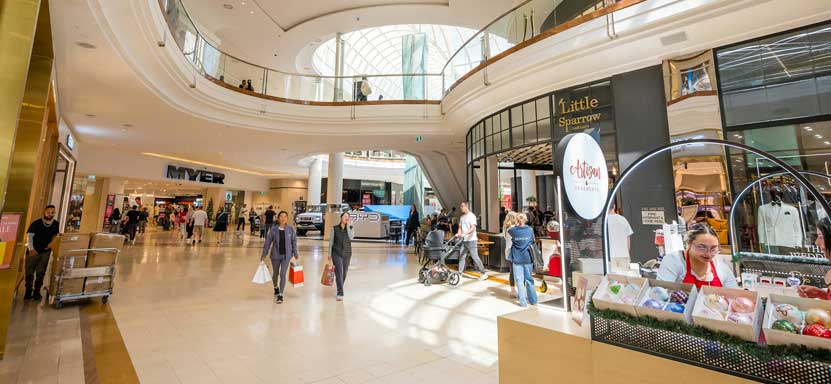
What’s Working: The RMU Strategies Driving Results
1. Experiential & Interactive RMUs
The most successful RMUs in 2025 are those that deliver hands-on engagement. Passive product displays no longer cut it.
Working examples:
- Beauty kiosks with on-the-spot demos
- Tech try-before-you-buy stations
- Customized product creation (engraving, printing, personalization)
- Sensory activations like fragrance, F&B sampling, or wellness micro-services
These RMUs attract attention, encourage interaction, and naturally increase dwell time and conversions.
2. Local & Artisanal Brands
Shoppers increasingly seek authenticity and local stories. RMUs provide a low-cost entry point for small businesses who can’t commit to an inline store.
Trends performing well:
- Local crafts
- Artisanal food products
- Hand-made goods
- Cultural or regional specialties
- Local creator/artist showcases
These RMUs help centers differentiate and foster community engagement.
3. Seasonal Category Cycles
Seasonality remains one of the strongest drivers of RMU performance.
Top-performing seasonal categories:
- Gifting (Q4 peak)
- Travel essentials (summer + holidays)
- Sunglasses, accessories, jewelry
- Back-to-school essentials
- Mother’s/Father’s Day micro-concepts
Seasonal RMUs allow centers to capture revenue spikes and keep common areas lively year-round.
4. DTC & Online Brands Testing Offline
Direct-to-consumer brands use RMUs as low-risk physical retail pilots.
This is working because RMUs offer:
- Low CapEx
- High visibility
- Easy testing of market fit
- Fast setup and exit
- Great data & customer insight opportunities
More DTC brands are entering centers through RMUs before committing to kiosks, pop-ups, or inline stores.
The Impact of Skincare Business Consulting Services
5. Modular & Design-Forward RMUs
A big trend in 2025: modern, modular, premium-looking RMUs that match the architectural language of the mall.
What’s working:
- Neutral color palettes
- Sleek finishes (wood, matte metal, LED accents)
- Swappable modules for easy reconfiguration
- Integrated digital signage
These units enhance aesthetics instead of cluttering common areas — a major factor for high-end assets.
What’s Not Working: The RMU Pitfalls to Avoid
1. Outdated, Visual-Noise RMUs
Old-fashioned RMUs with heavy clutter, bright plastic signage, and inconsistent branding are underperforming.
Why it’s not working:
- They break the architectural harmony
- They look “temporary” in a negative way
- They reduce perceived center quality
- Consumers associate them with low-value products
Tenants and landlords alike benefit from modern, cohesive design standards.
2. Categories That Have Moved Online
Some classic RMU categories are no longer competitive due to Amazon, Temu, and ultra-discount e-commerce.
Underperforming examples:
- Generic phone cases
- Low-quality accessories
- Mass-produced novelty items
- Commodity electronics
- Cheap toys
These RMUs struggle with margins, differentiation, and customer perception.
3. RMUs With Low Staffing or Passive Selling
Unattended or poorly staffed RMUs rarely perform well.
What’s not working:
- Minimal sales interaction
- Staff sitting, withdrawn, or disengaged
- RMUs treated as “inventory displays” rather than active sales hubs
RMUs succeed when there’s energy, engagement, and customer interaction.
4. Overcrowding in Common Areas
Too many RMUs in one corridor creates friction and reduces visibility for everyone.
Issues include:
- Congestion
- Reduced customer comfort
- Lower dwell time
- Complaints from inline tenants
- Decreased visual quality of the asset
Less is more. Curated, higher-quality RMUs outperform cluttered zones.
5. Complex Setup Processes for Tenants
In 2025, brands expect simplicity and speed.
What’s not working:
- Long approval processes
- Manual paperwork
- Confusing insurance requirements
- Slow operations
- No digital booking platform
Centers that streamline the process (or use platforms like Squarefeet) dramatically outperform others.
The Future of RMUs: What’s Next?
As retail continues evolving, so will the role of RMUs. Key trends to watch:
- Smart RMUs with integrated analytics and sensors
- Sustainability-focused modules using eco-friendly materials
- F&B micro-kiosks (juices, snacks, local bakery concepts)
- Collaborative RMUs for rotating micro-brands
- AI-powered leasing recommendations for optimal category mix
RMUs are moving from “mall basics” to strategic common-area engines that drive revenue, variety, and experience.

