

Pop-Ups Are Now a Strategic Component of the Tenant Mix
Shopping centers are adopting dynamic, rotating retail formats as an intentional part of their leasing strategy. Instead of relying solely on long-term tenants, landlords now curate a blend of permanent retailers and short-term activations that bring flexibility, freshness, and cultural relevance.
Pop-up concepts help specialty leasing teams:
- Revitalize low-performing zones
- Introduce new categories without long-term commitments
- Test retail formats before upgrading to long-term leases
- Maintain occupancy and visual appeal
- Pop-ups are no longer fillers — they are programmable retail assets.
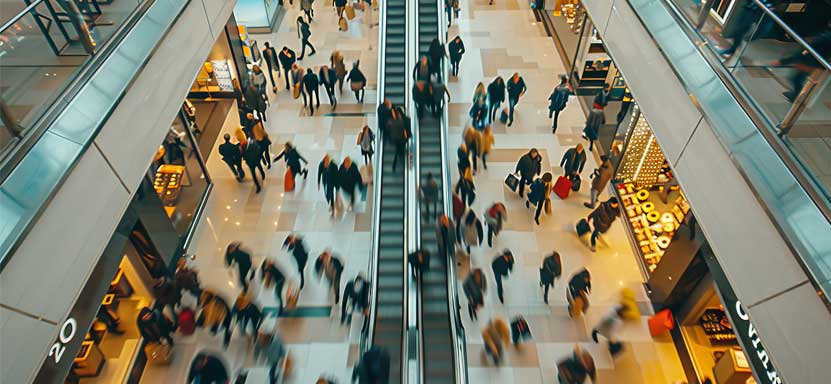
Shoppers Want Constant Discovery and Experiences
Modern consumers, especially Gen Z, seek novelty, exclusivity, and immersive experiences. Data shows that shoppers are more likely to visit malls that continuously host new brands, rotating events, and limited-time concepts.
Pop-up retail meets this demand by offering:
- Exclusive or seasonal products
- Interactive and experiential activations
- Community-driven initiatives
- Social-media-ready moments
For shopping centers, this translates to increased footfall, longer dwell time, and repeat visitation — all key KPIs for specialty leasing teams.
Pop-Up Retail Is Becoming a Revenue Engine for Landlords
As the retail landscape shifts, pop-ups help landlords capture new and diversified revenue streams, particularly through specialty leasing.
They provide:
- Faster monetization of vacant spaces
- Flexible pricing models (weekly, monthly, seasonal)
- Higher blended revenue throughout the year
- Opportunities to maximize income during peak periods
In 2025, pop-up retail is one of the most efficient tools for stabilizing occupancy and driving incremental revenue.
Brands Use Pop-Ups as Low-Risk, High-Impact Market Entry Tool
Brands — from DTC players to emerging designers — increasingly rely on pop-up stores to test physical retail without long-term commitments.
Pop-ups allow brands to:
- Validate market demand
- Test product assortments
- Evaluate customer demographics
- Launch PR-driven activations
- Integrate online and offline funnels
Shopping centers offering clear processes, simple pricing, and turnkey services are becoming preferred partners for brands entering physical retail.
Technology Is Scaling Specialty Leasing Operations
One of the biggest accelerators of pop-up retail in 2025 is technology. Manual processes that used to slow down specialty leasing are being replaced with digital tools and AI-driven systems.
Shopping centers now use:
- Online booking portals
- AI-powered tenant recommendations
- Digital contract automation
- Centralized inventory and space management
- Real-time availability and pricing
Technology enables specialty leasing to be faster, more predictable, and easier to scale, opening the door to more activations and higher revenue.


Pop-Ups Reinforce the Experience Economy
Shopping centers are evolving into hybrid destinations where retail, entertainment, culture, and community intersect.
Pop-ups are central to this shift thanks to:
- Event-driven formats
- F&B tastings and micro concepts
- Traveling marketplaces
- Workshops and educational activations
- Influencer and creator collaborations
Specialty leasing teams now curate experiences the same way marketers curate content — keeping the center engaging throughout the year.
Conclusion: Pop-Up Retail Is Now Essential to Specialty Leasing Success
Pop-up retail has evolved into a powerful tool that reshapes leasing strategies, boosts revenue, enables brand discovery, and enhances consumer experience. In 2025, top-performing shopping centers embrace pop-ups as a permanent and strategic part of their specialty leasing ecosystem, not a temporary solution.
As technology accelerates and consumer expectations shift toward novelty and experiences, pop-up retail will continue to redefine the future of shopping centers — and SpecialtyLeasing.org will continue to be the resource hub documenting this transformation.

